Phytophthora Stream Monitoring
Early Detection
Western Washington is a “high risk” area for diseases caused by P. ramorum and other Phytophthora species due to favorable environmental conditions and the abundance of susceptible host plants in wildland and urban areas.
The spread of P. ramorum into the landscape could trigger a series of quarantines that would have a significant economic impact on the horticulture and forest products industry.
Stream monitoring programs have been shown to be an effective approach to detect the spread of P. ramorum and focus eradication efforts, thus reducing the threat to our forest ecosystems and economy.
Monitoring in Washington
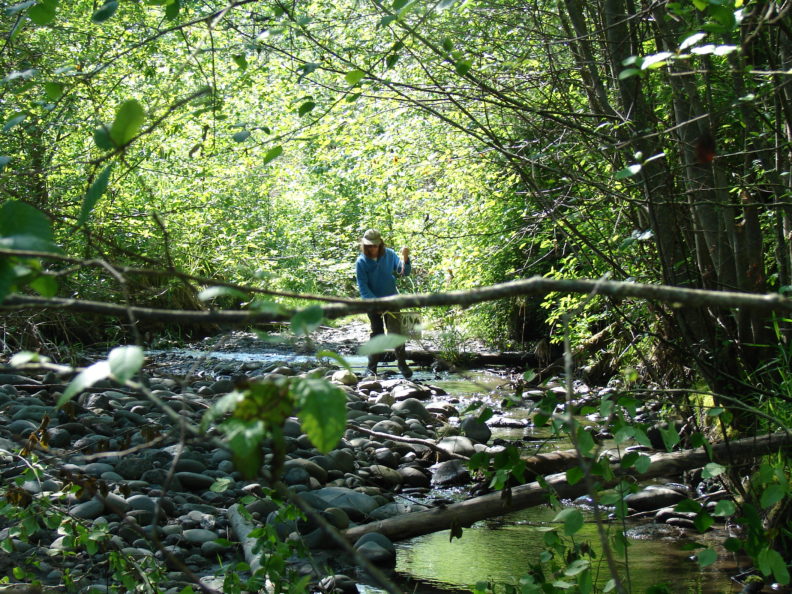
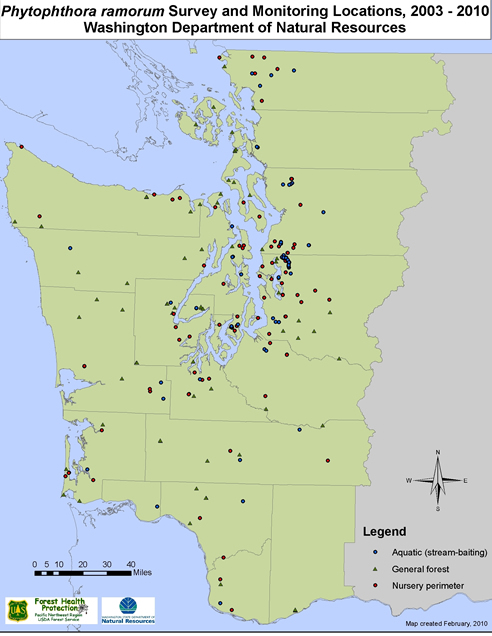
Our program has collaborated with the Department of Natural Resources (WA DNR) and the Department of Agriculture (WSDA) to monitor for the emergence of Phytophthora ramorum in western Washington since 2003. Initial surveys were conducted widely by WA DNR from 2003-2010 (pdf). These surveys revealed a few waterways contaminated with P. ramorum and allowed the State to identify the sources, such as adjacent plant nurseries, to prevent the spread into the natural areas.
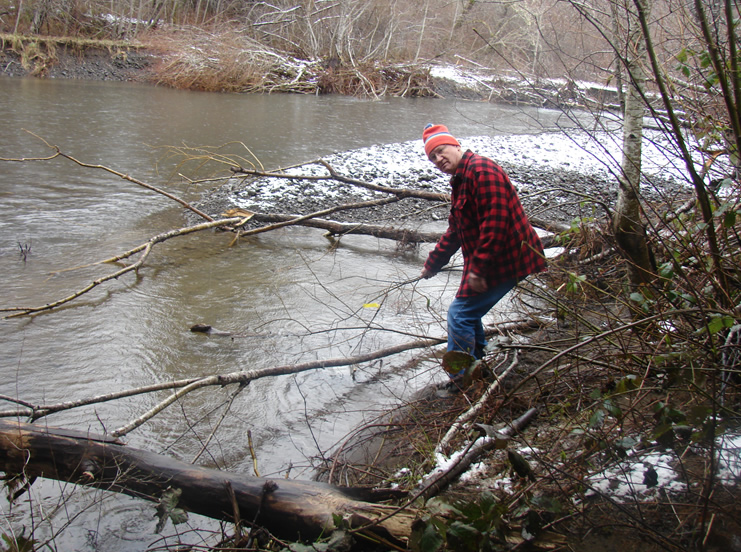
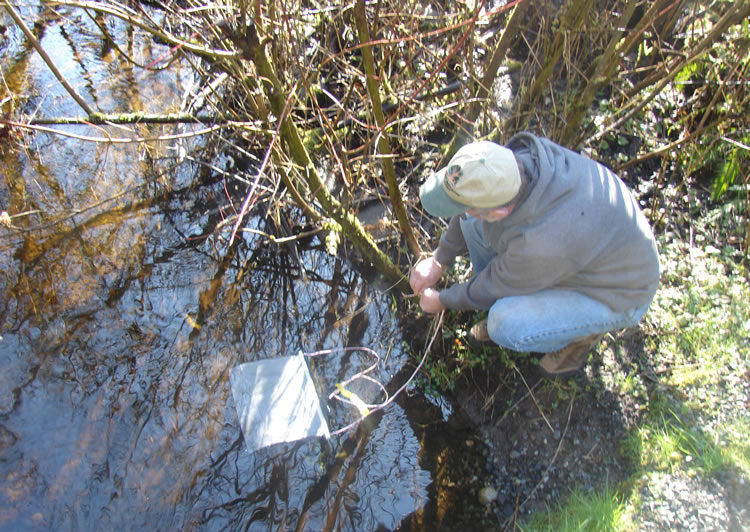
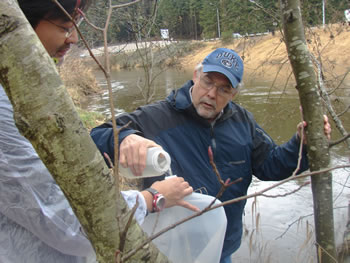
Since those initial surveys, our program has worked with communities in western Washington to develop a Volunteer Stream Monitoring Program. The aim of the program is to monitor for the emergence of P. ramorum and other potentially invasive Phytophthora species in streams throughout western Washington. Please contact us if you are interested in participating.
Following the finding of P. ramorum in waterways, our program has also conducted research to assess the movement of invasive plant diseases between forests, nurseries, and restoration sites and describe the variation and patterns of spread by using population genetics.
Monitoring Elsewhere
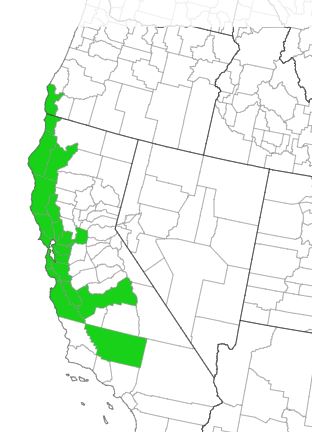
California Oak Mortality Task Force maps
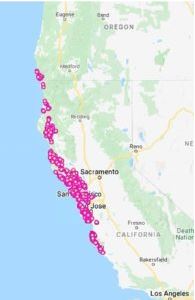
Early Detection Distribution Mapping System
Surveys in the
United Kingdom
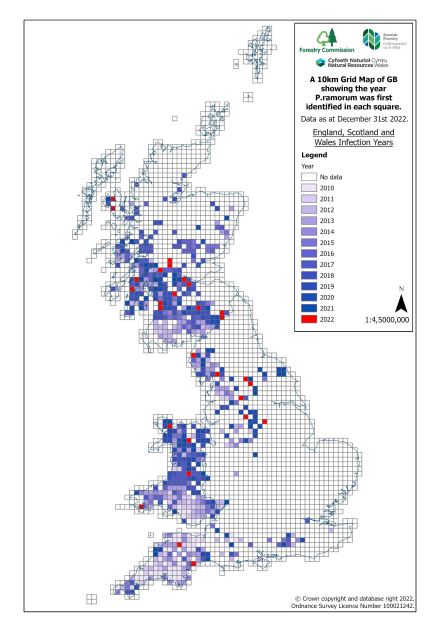
Volunteer Stream Monitoring Program
The Volunteer Stream Monitoring Program is a citizen science initiative to engage Washington residents in our research and monitoring efforts.
Anyone is welcome to participate.
Please visit our Volunteer Stream Monitoring Program page or contact us for more information.
2021 Project – This year we were excited to announce we would be sampling on the east side of the Cascades!

More Information
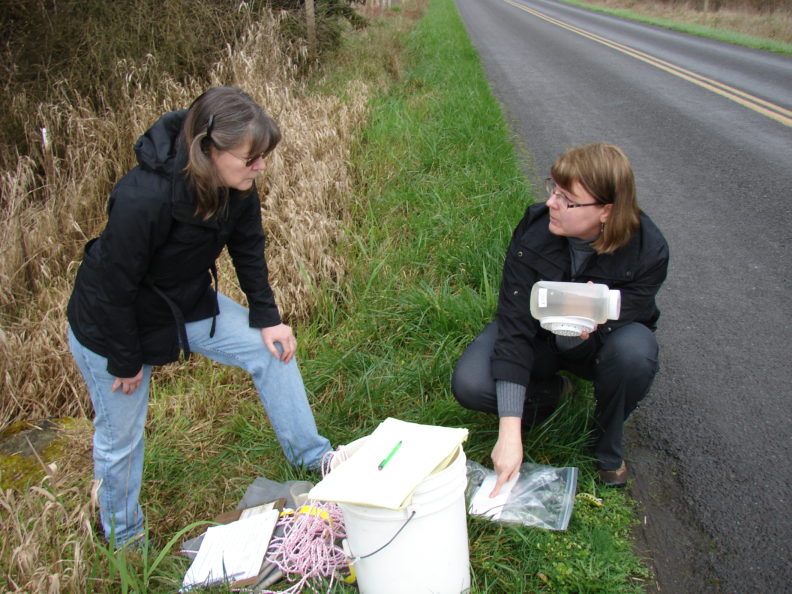
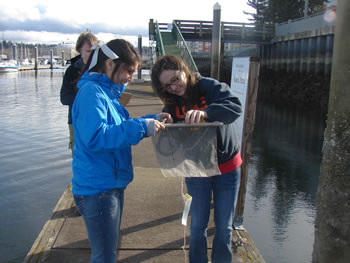
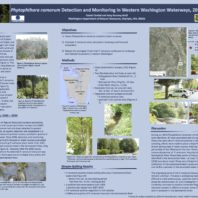
Click on the captions below for PDF versions of presentations or posters summarizing the methods and results of the Volunteer Stream Monitoring Program and the efforts of the Washington Department of Natural Resources.
You can also learn more about Sudden Oak Death, best management practices, and our Phytophthora research by visiting the Education Program and Research sections of our website.
WSU Presentation
(PDF)
WSU Summary
Poster (PDF)
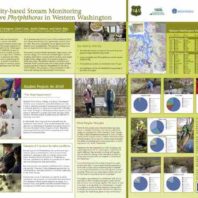

Other Related WA DNR Posters and Documents (all pdf)
2010
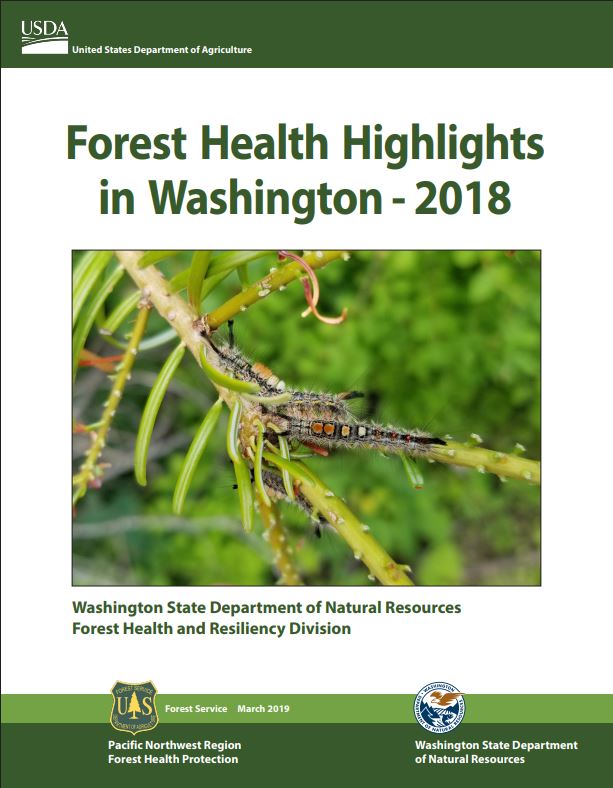
2018
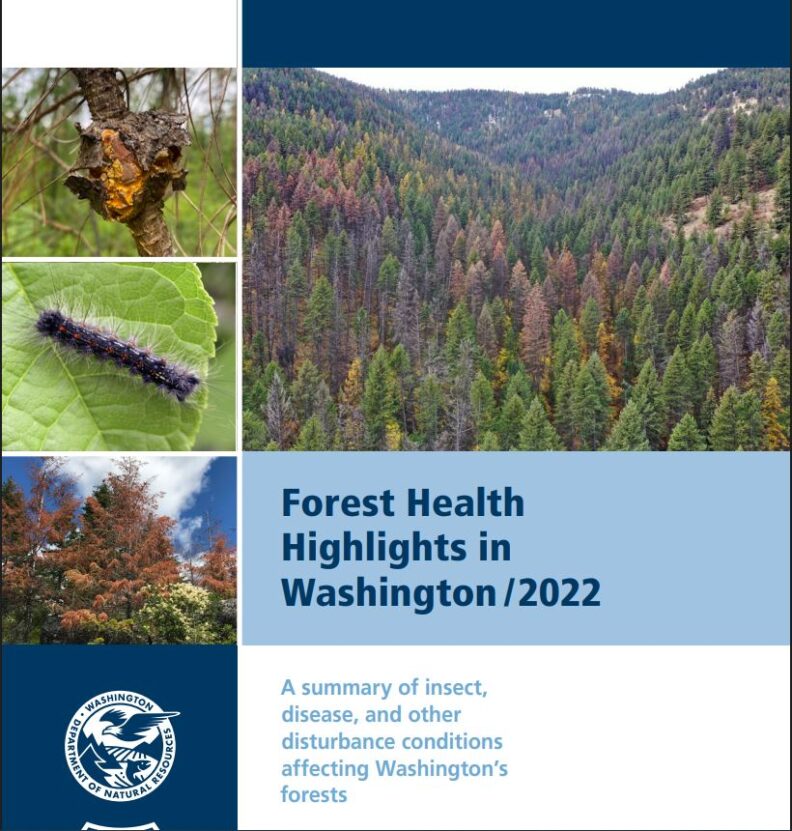
2022
WSU Puyallup Research & Extension Center
2606 West Pioneer, Puyallup, WA, 98371-4998 USA
Last updated 9/24/2025