Confirm that nursery stock is purchased from a licensed, certified shipping nursery or that material is propagated on-site.
Inspect all incoming nursery stock (buy-ins, transfers, and returns) prior to introduction into the nursery facility. Avoid mixing incoming plants with existing stock until plants have been examined for disease symptoms by trained personnel.
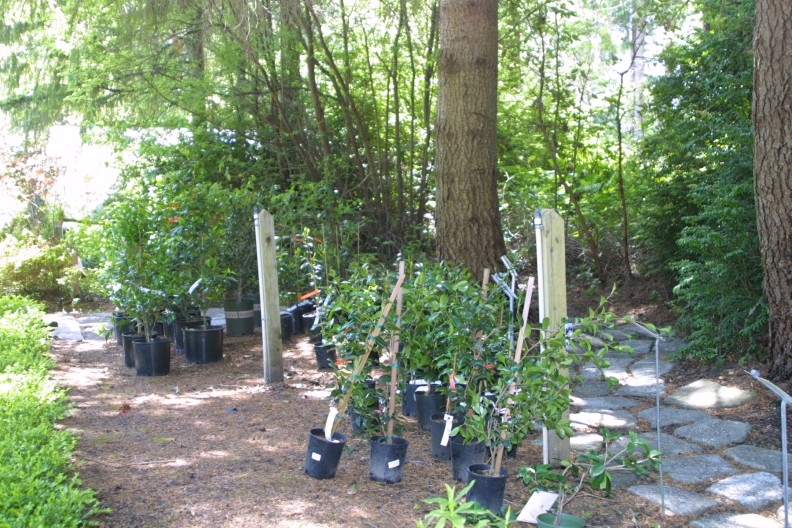
For buy-ins of high risk plants, suspend the use of Phytophthora-specific fungicides on 10% or 100 plants, whichever is smaller, for a 2 month period. This will show if fungicides used by the seller were suppressing symptoms prior to purchase. High risk plants for P. ramorum include rhododendron, camellia, pieris, kalmia, and viburnum.
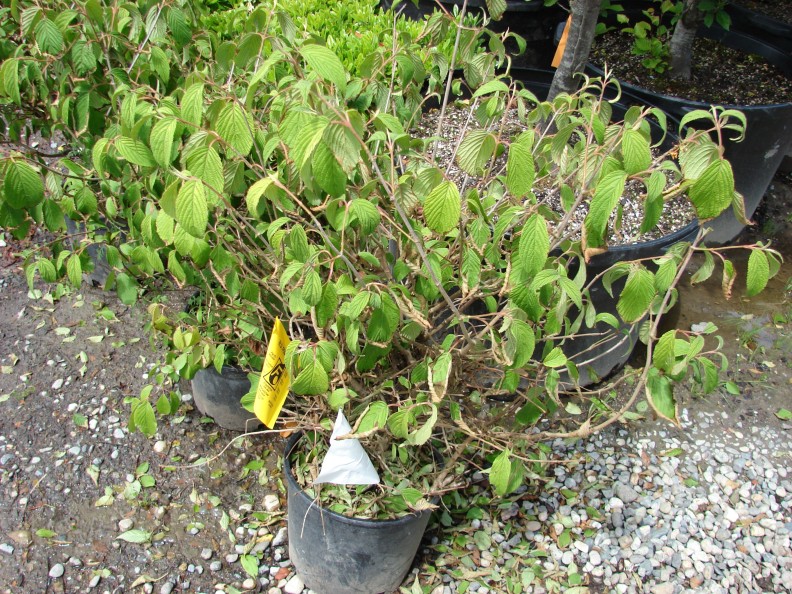
Arrange plants to minimize damage caused by P. ramorum should it enter the nursery. Avoid mixing high-risk genera (rhododendron, camellia, and viburnum) with other hose and non-host plants. It is recommended to keep a 2 meter break between high risk plants and other material.
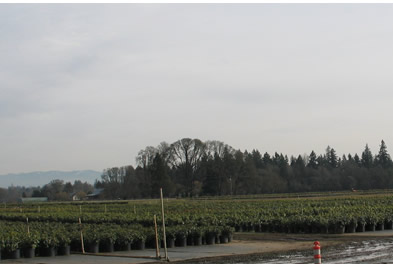
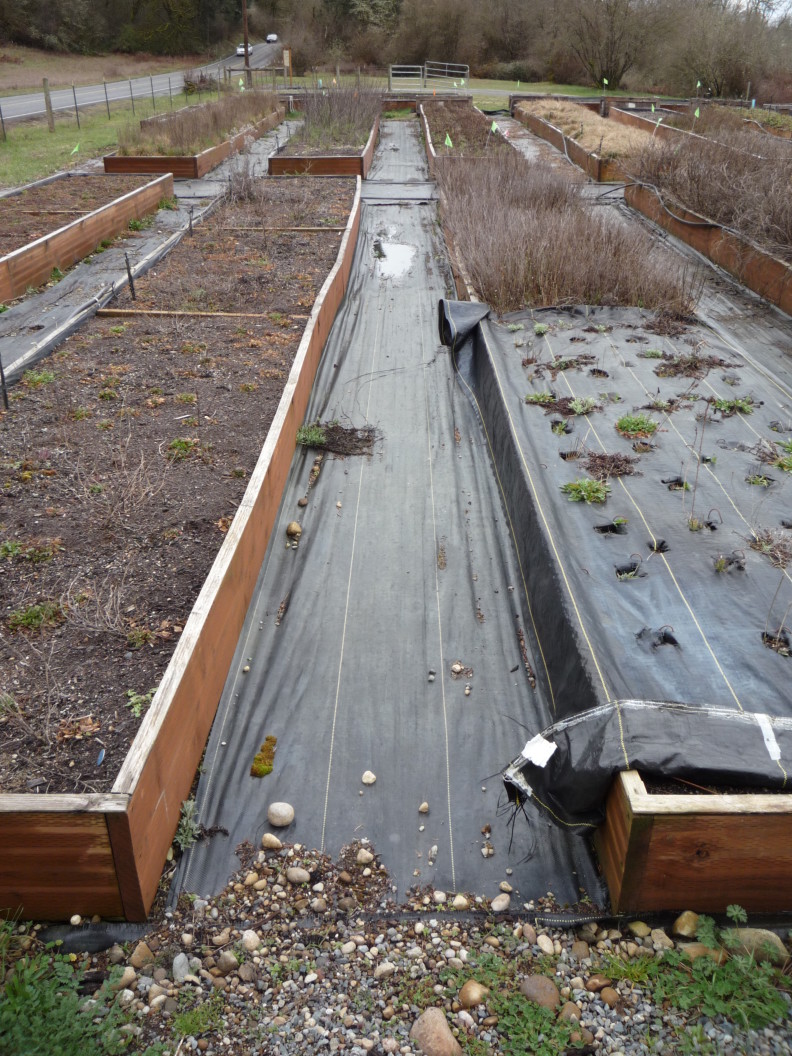
Manage weeds on the nursery site, as they could serve as alternate hosts for diseases or be potential reservoirs for disease organisms.
WSU Puyallup Research & Extension Center
2606 West Pioneer, Puyallup, WA, 98371-4998 USA
Last updated 9/24/2025