Presentations and workshops are available on a variety of topics related to Sudden Oak Death. Presentations can be downloaded for viewing. Contact Marianne Elliott to arrange a presentation or workshop for your group.
SOD Symptom ID and Nursery Management
A presentation for nursery professionals on recognizing symptoms of P. ramorum on nursery crops and best management practices to minimize the impact of P. ramorum on a nursery. (pdf)
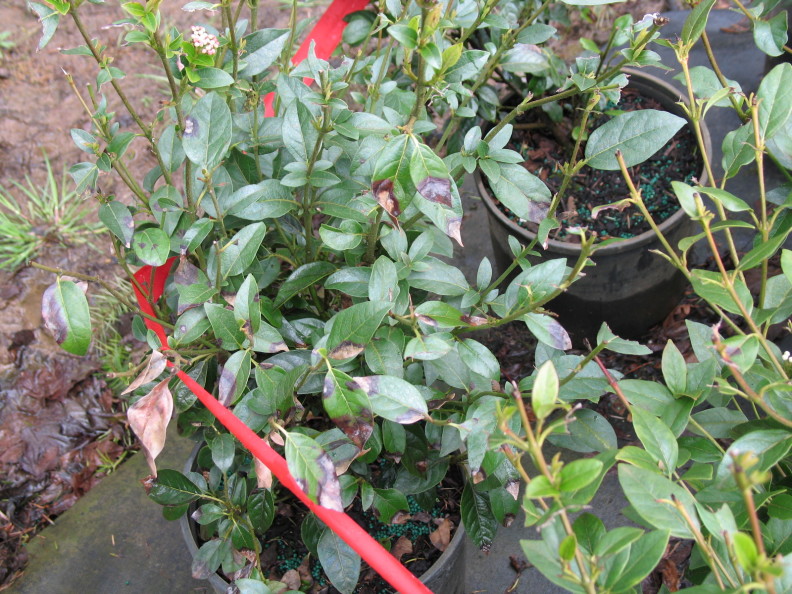
Life Cycle of P. ramorum as it Relates to Soil and Water
Learn how P. ramorum survives and spreads in soil and water environments. Best management practices for nurseries are also discussed. (pdf)
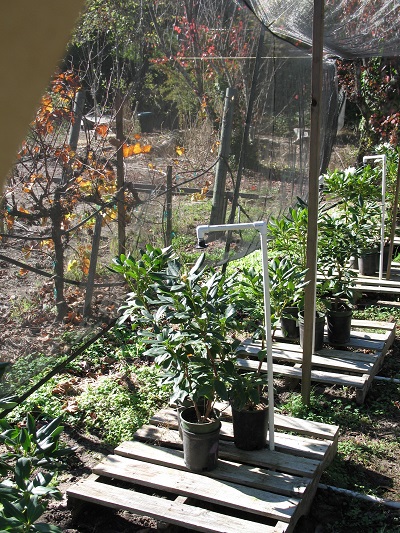
Sudden Oak Death and Other Phytophthora Diseases of Rhododendron
Rhododendron is the most important host of P. ramorum in Washington nurseries. Learn how to recognize symptoms of P. ramorum and other Phytophthora diseases of Rhododendron. (pdf)
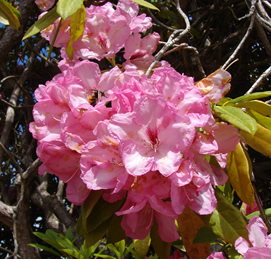
Sudden Oak Death and other Phytophthora diseases in Washington ecosystems
Sudden Oak Death is devastating California forests, but what about Washington? For those interested in the potential effects of P. ramorum on WA forests, native plants, and implications to trade in forest products. Other Phytophthora species and their role in forest ecosystems will be discussed. (pdf coming soon)
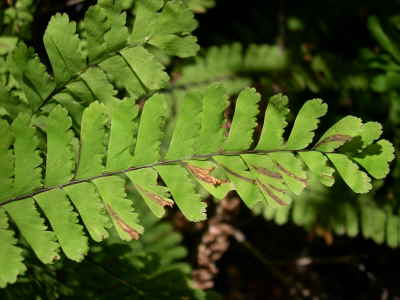
Sudden Oak Death, Madrone Canker, and Systemic Acquired Resistance
A not so random grouping of subjects that will interest tree care professionals and others.
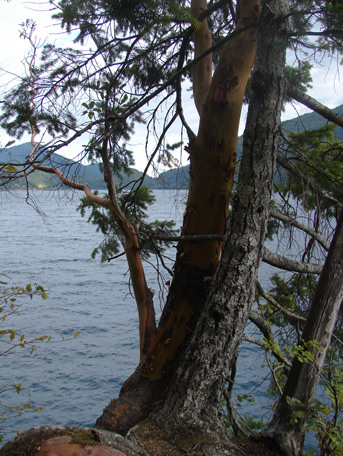
“What’s killing my tree?”
A presentation from the Master Gardener Advanced Education Conference, Sept 22-24 2011, Ocean Shores, WA. Includes information about tree diseases with special sections on SOD and madrone blight.
Available Workshops
First Detector Workshops
Sudden Oak Death First Detector workshops are available for interested groups and industry professionals. The purpose of these workshops is to train participants as first detectors in case of P. ramorum being introduced to Washington’s landscape. Master Gardener volunteers and horticultural and natural resource professionals are encouraged to attend a training session.
Managing Phytophthora diseases in the nursery
Phytophthora diseases are very costly to nurseries, and a positive P. ramorum find can have huge economic consequences. At this hands-on workshop, methods for reducing damage by Phytophthora diseases in the nursery will be demonstrated.
To schedule a workshop for your organization, contact Marianne Elliott.
WSU Puyallup Research & Extension Center
2606 West Pioneer, Puyallup, WA, 98371-4998 USA
Last updated 9/24/2025